
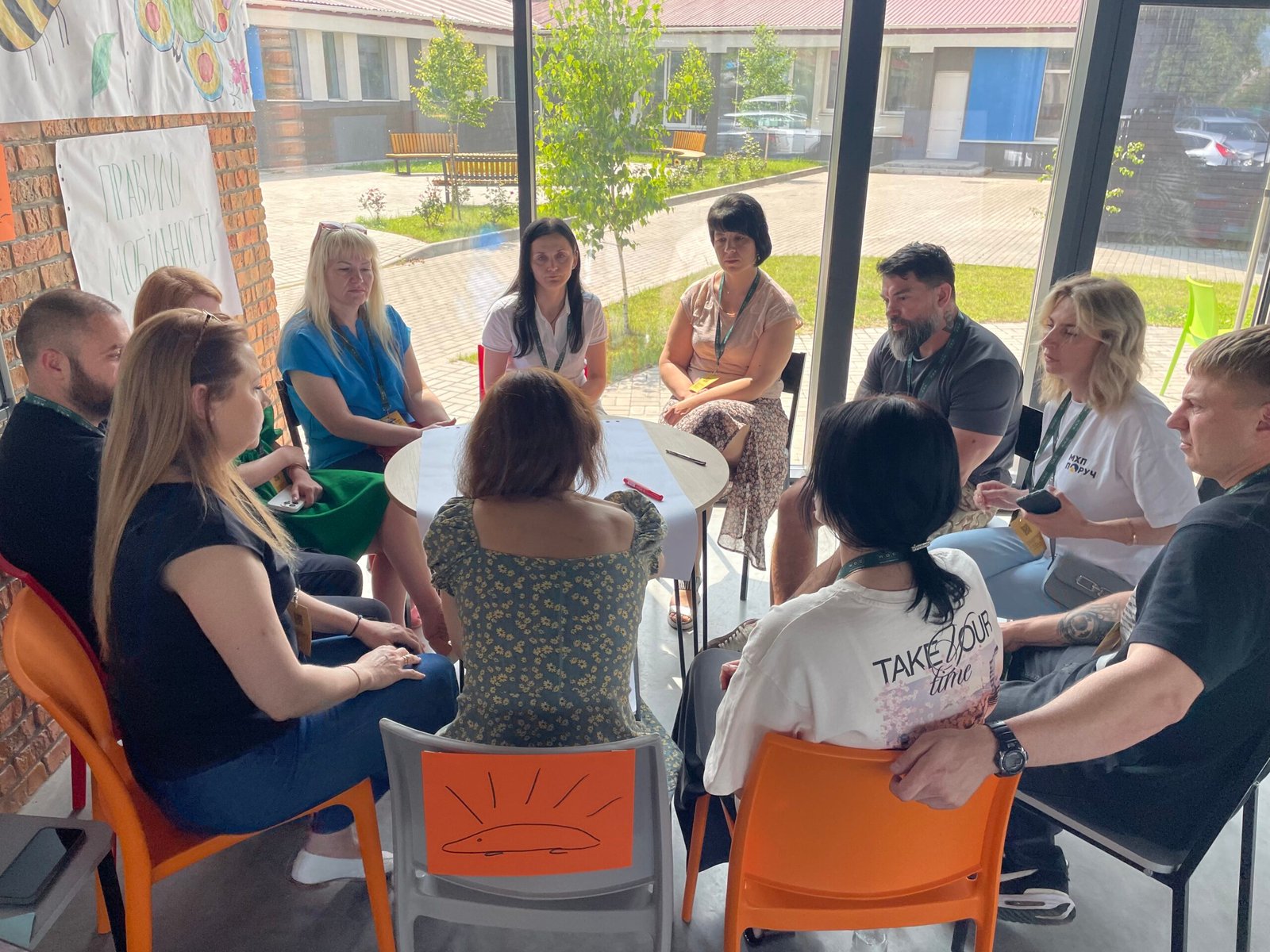
Even amid the disruption of war, Ukraine’s democratic resilience continues to be sustained at the local level. Across the country, young people are organising, advocating, and helping shape the future of their communities. At the same time, millions of citizens from occupied regions now live in displacement, while their local authorities operate in relocation.
War has damaged civic infrastructure and disrupted participation channels, particularly in remote frontline areas and among displaced communities. In response, new models of democratic engagement have emerged that bring participation to where people are — whether in small towns near the front line or in communities now scattered across the country.
Democracy on the Move
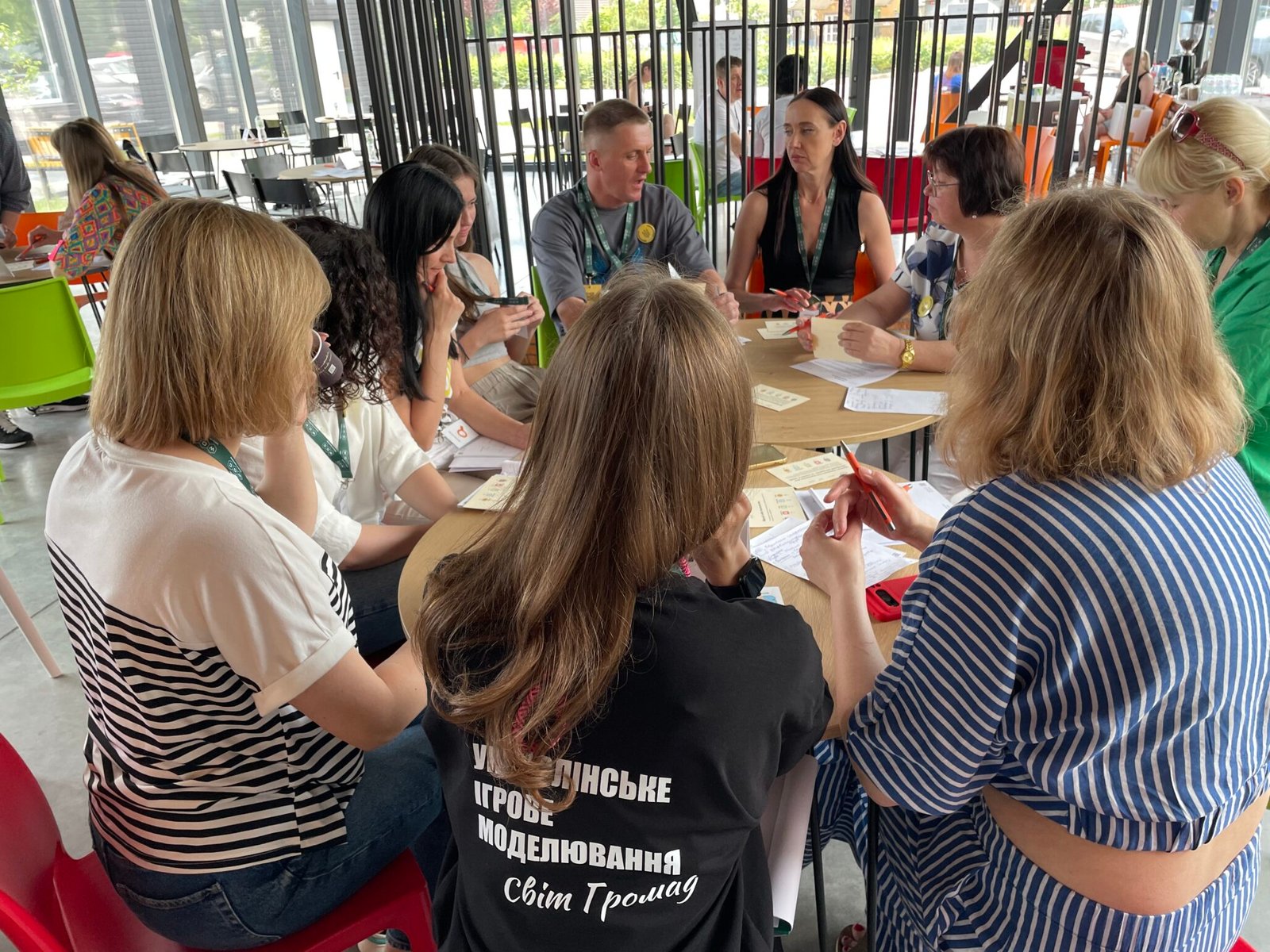
Where civic spaces are damaged or inaccessible, participation must travel. One of the most promising examples is mobile youth work. Initiated by Democracy Reporting International (DRI) and piloted in 19 communities in 2024–25, the programme brings trained youth workers directly to remote, frontline, and recently liberated communities where opportunities for civic engagement have been disrupted.
Rather than relying on static training centres, mobile teams conduct outreach in local towns and villages — facilitating workshops on leadership, advocacy, project design, volunteerism, and youth council development using a trauma-sensitive approach. These visits also create temporary civic spaces where young people can exchange ideas, collaborate, and envision their role in rebuilding local life. To date, more than 60 local youth action groups have emerged from this work.
The programme is notable for the collaboration behind it. Implemented with the Ministry of Youth and Sports, the All-Ukrainian Youth Centre, and local authorities, it helped develop a coordinated framework for youth engagement in frontline and liberated communities and resulted in the adoption of a National Mobile Youth Work Roadmap, embedding the model into national youth policy and upcoming 2026-2030 State Programme.
Local impact is already visible. In the Semenivska community in the Poltava region, mobile youth work helped catalyse the creation of a municipal Youth Council and several youth-led initiatives. One participant, Tetiana, later joined DRI’s Democracy School – a deeper leadership focused programme – and successfully advocated for the establishment of a Youth Center in her town.
Communities on the Move
Democratic engagement must also adapt when communities themselves are displaced. Many municipalities from occupied regions now operate in relocation, governing citizens scattered across the country.
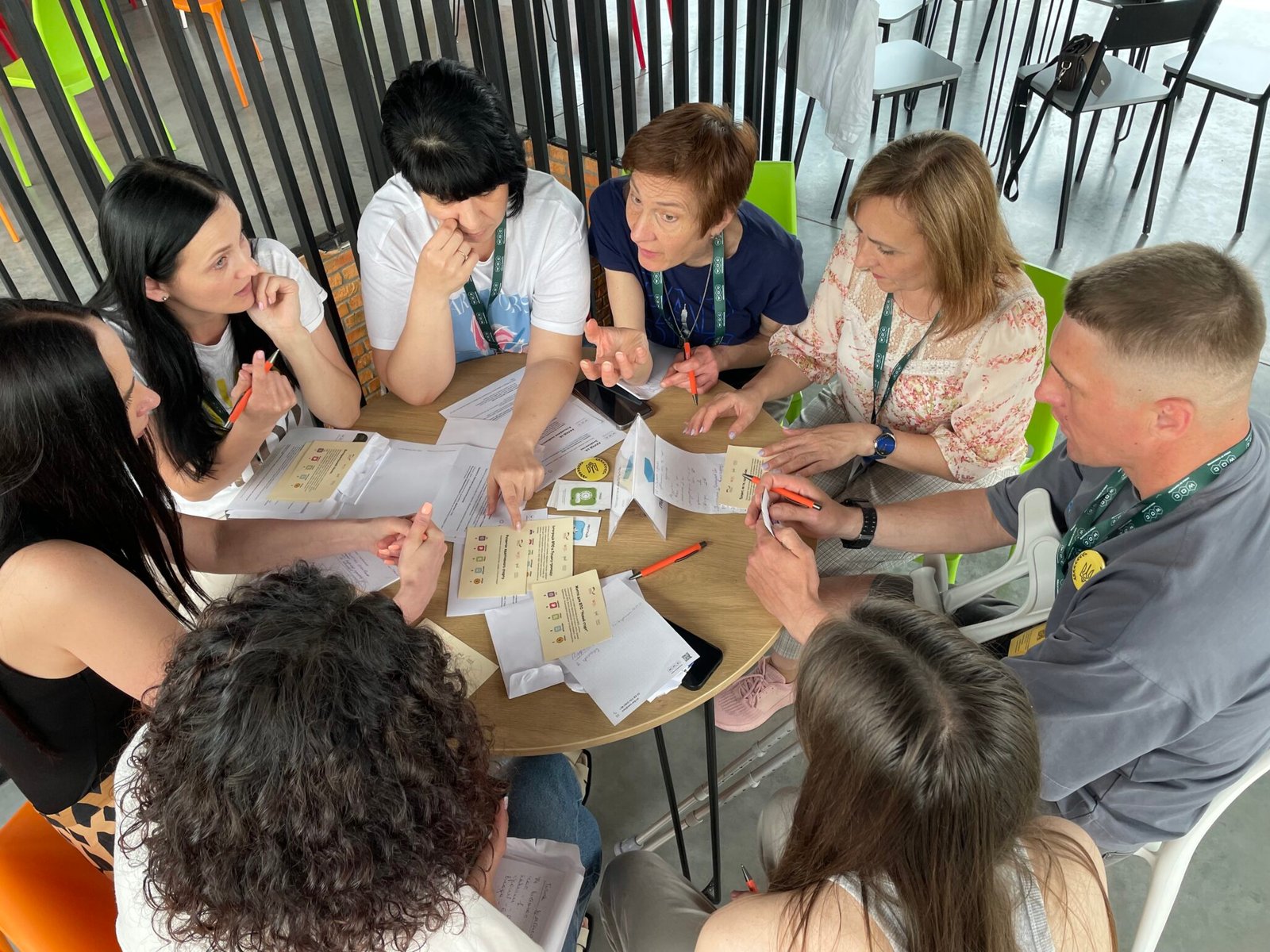
To maintain dialogue, DRI supports community roundtables that reconnect displaced residents, civil society, and relocated authorities. In one example, the NGO Crisis Media Centre Siversky Donets organised dialogue meetings bringing together displaced residents from the Luhansk region, civil society groups, and regional authorities. Insights from these discussions were consolidated into recommendations on engaging internally displaced persons in decision-making and shared with 31 regional and local authorities.
Together, these initiatives show how Ukraine’s democratic resilience continues in motion — ensuring that even in wartime, citizens remain connected to the decisions shaping their communities.
